

10 Signs Your Business Has Outgrown Spreadsheets and Needs Occupational Health Software
July 27, 2026Unknown5 min read time

Many businesses begin managing occupational health using spreadsheets, paper files, and shared folders. For small teams this may seem manageable, but as an organization grows, these systems often become inefficient, time-consuming, and prone to human error.
Occupational health software is designed to solve these challenges by bringing employee health records, medical surveillance, compliance, and reporting into one secure digital platform. If your business is experiencing any of the following signs, it may be time to move beyond manual processes.
You're Spending More Time Looking for Information Than Using It
One of the first warning signs is that your team spends more time searching for information than acting on it. When employee medical records are stored in filing cabinets, network drives, or multiple spreadsheets, finding historical information becomes a frustrating exercise. Occupational health software stores every employee's health record in a single location, allowing authorized users to access information within seconds.
Medical Surveillance Deadlines Are Being Missed
Another common challenge is missing medical surveillance deadlines. As workforces grow, tracking hearing tests, lung function assessments, vision screening, medical examinations, and follow-up appointments manually becomes increasingly difficult. Missed surveillance can create unnecessary compliance risks and expose employees to preventable health issues. Occupational health software automatically tracks due dates and generates reminders, helping organizations stay on top of their surveillance programmes.
Preparing for Audits Takes Days Instead of Minutes
If preparing for an audit feels stressful, your current system is probably holding you back. Many organizations spend days collecting certificates, medical records, training documentation, and compliance reports before inspections. With occupational health software, this information is already organized, searchable, and available whenever it is needed, reducing preparation time and improving confidence during audits.
Departments Are Working in Silos
Another indication that manual processes are no longer sufficient is when different departments maintain separate records. Human Resources, Occupational Health, Safety, and Operations often collect overlapping information but store it independently. This duplication creates inconsistencies and increases administrative effort. Occupational health software provides a centralized platform where departments work from the same accurate data while maintaining appropriate access controls.
Reporting Has Become a Manual Process
Businesses should also consider how much time is spent creating reports. Monthly compliance reports, medical surveillance summaries, incident statistics, and management dashboards often require hours of manual work. Occupational health software generates these reports automatically, allowing managers to focus on decision-making instead of administration.
Certificate Expiry Dates Are Difficult to Track
Growing organizations frequently struggle to monitor certificate expiry dates. Whether it is a Certificate of Fitness, occupational health assessment, or training certification, relying on manual reminders can result in important documents expiring unnoticed. Modern occupational health software continuously monitors expiry dates and notifies the appropriate people before action is required.
Managing Multiple Sites Is Becoming Difficult
As businesses expand across multiple sites or projects, maintaining consistent occupational health standards becomes increasingly challenging. Paper records and spreadsheets make it difficult to understand the overall compliance status of the organization. Cloud-based occupational health software provides a real-time view across all locations, allowing managers to identify gaps and respond quickly.
Data Security Is Becoming a Concern
Security is another factor that cannot be overlooked. Employee medical records contain highly confidential information that should never be stored in unsecured spreadsheets or shared folders. Occupational health software includes role-based permissions, audit trails, encrypted storage, and secure backups that help organizations protect sensitive health information while meeting legal and privacy requirements.
Administration Is Consuming Valuable Time
Many organizations underestimate the hidden cost of manual administration. Time spent updating spreadsheets, chasing overdue medicals, locating paperwork, and compiling reports is time that could be spent improving employee health and reducing workplace risk. Occupational health software automates repetitive tasks, enabling occupational health professionals and safety teams to focus on higher-value activities.
Management Can't Get Instant Answers
Perhaps the clearest sign that your organization has outgrown manual systems is when decision-makers struggle to answer simple questions. How many employees have overdue medical examinations? Which departments have the highest compliance risk? How many Certificates of Fitness expire this month? Which employees require follow-up assessments? Without occupational health software, answering these questions often requires hours of manual work. With the right platform, the answers are available immediately through real-time dashboards and reporting.
Why Occupational Health Software Is a Long-Term Investment
Investing in occupational health software is not simply about replacing paper with technology. It is about creating a more efficient, compliant, and proactive approach to managing employee health. Organizations that digitize their occupational health processes are better equipped to reduce compliance risks, improve operational efficiency, and provide a safer working environment for their employees.
As occupational health requirements continue to evolve, businesses that continue to rely on spreadsheets will find it increasingly difficult to keep pace. Occupational health software provides the visibility, automation, and control needed to support modern workplaces while reducing the administrative burden placed on occupational health and safety teams.
For organizations looking to improve compliance, simplify medical surveillance, and manage employee health information more effectively, implementing occupational health software is no longer a future consideration—it is becoming a business necessity. Choosing the right occupational health software today will help your business stay compliant, improve operational efficiency, and build a healthier workforce for years to come.
Share this article on
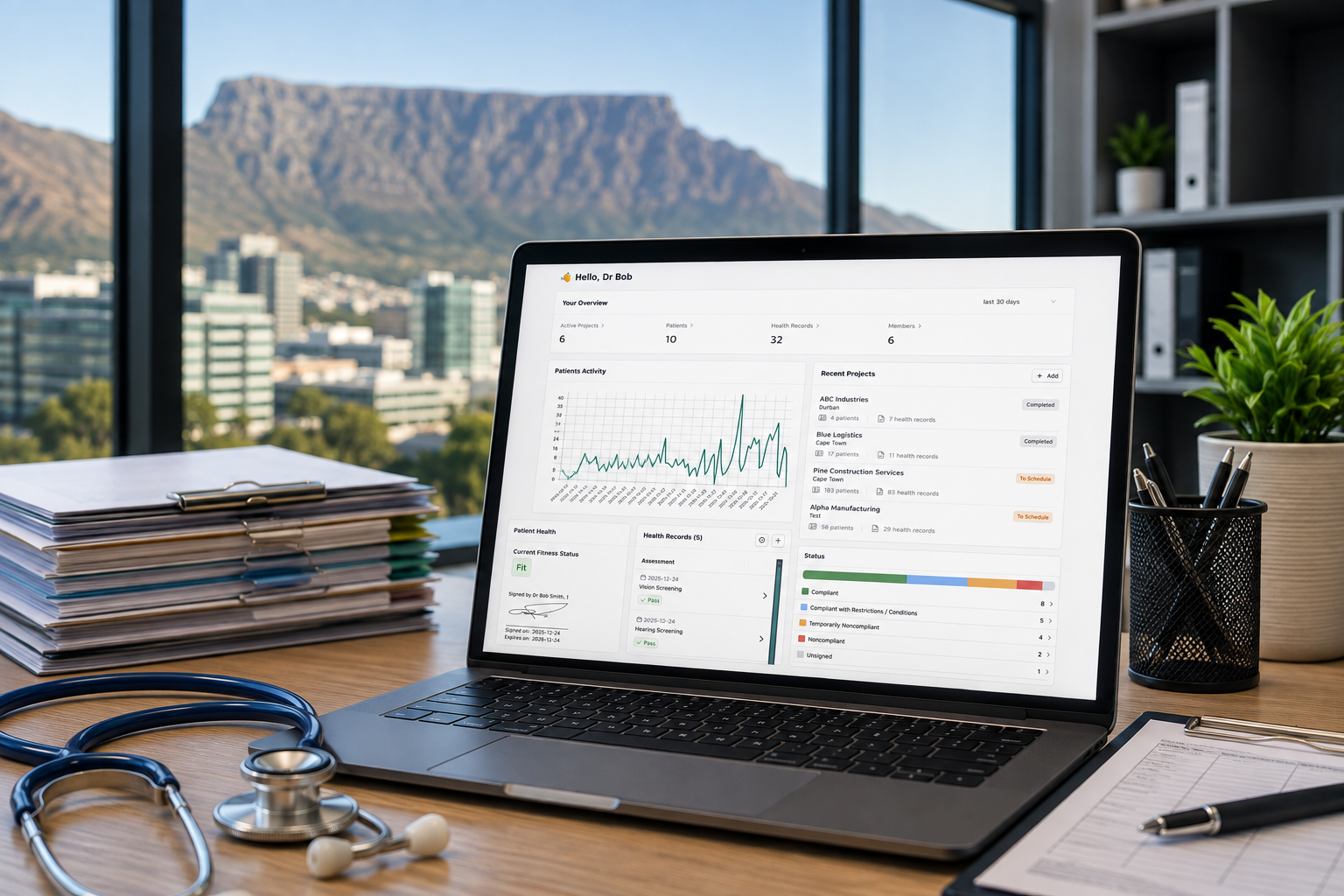

How Tealio can empower your organization?
Enable teams to optimize onboarding procedures, shift towards digital record-keeping, effortlessly create medical certificates, and take proactive measures to manage risks, all while maintaining smooth and efficient operations.
Learn MoreWe use performance and analytics cookies to optimize your experience on our website and services. By clicking ”Allow Cookies”, you consent to our use of cookies as described in our Cookie Policy. See our Cookie Policy.
